




Natural Latex is produced by the rubber tree, Latin name hevea brasiliensis for botanists, which originally was grown in Brazil.
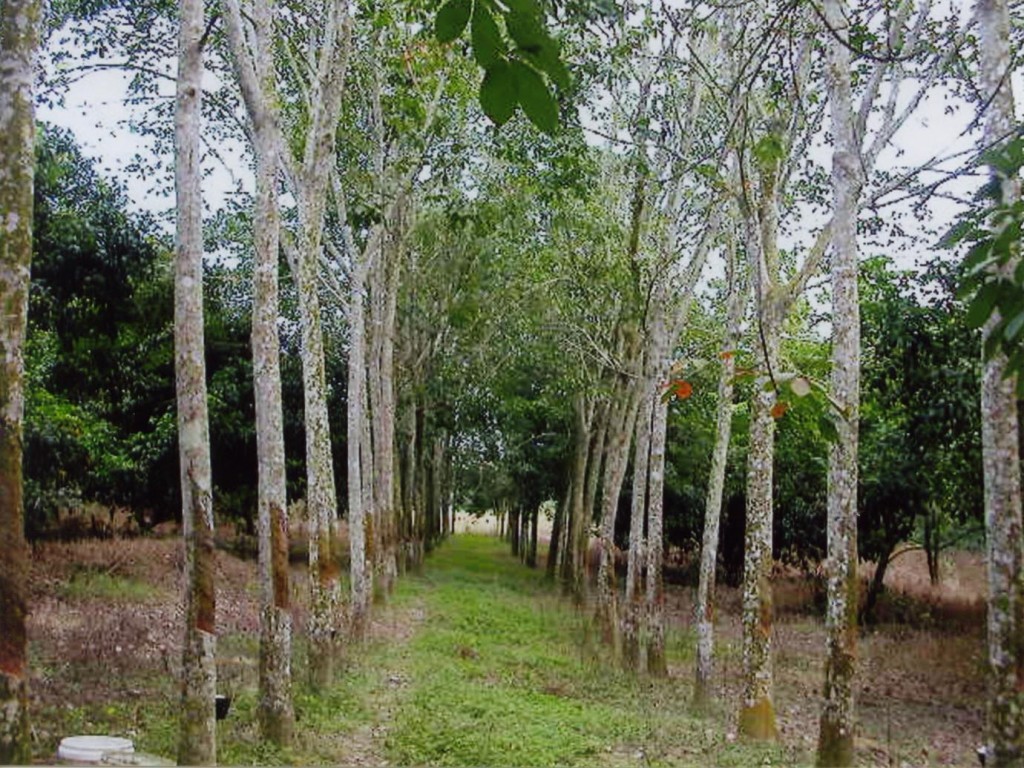
Latex is produced as a milky substance from within the rubber tree, not to be confused with the sap. These days there a number of plantations around the world notably Malaysia, Thailand, Indonesia and the Cameroon. In its natural untreated form Latex is often referred to as ‘The white gold’ due to its appearance, durability as a rubber and high quality applications. The natural milky substance is also referred to as N.R or Natural Rubber.
The rubber trees themselves take 7 years to mature until they can be tapped and harvested for their Latex.
What is Latex used for? – Latex is incredibly versatile, pliable and resilient and is frequently found in medical gloves, contraceptives, high quality paints, moulds and cushioning materials such as beds.
As we’ve already hinted there are many types and qualities of Latex. Many tricks are used to stretch the Latex claim, sorry for the pun, and to cash in on this market.
There is also chemically Synthetic Latex made from a chemical called SBR (Styrene Butadiene). Natural Latex however has the edge as its a far more complex material with better breathability, durability, resilience and hypo-allergenic qualities that Synthetic Latex can’t fully match. Synthetic ‘SBR’ Latex however has the edge on price as it is much cheaper than Natural Latex. You need to be fully aware of what type of Latex you are looking at when comparing products. Manufacturers will claim 100% Latex but this can mean 100% Synthetic Latex, so you need to ensure you are comparing like for like!
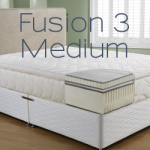
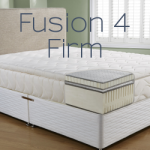
Our Latex Range Below:




Neil
Hi there
I’ve been recommended latex mattresses for my new bed, but have never had an opportunity to try this type of mattress out. Do you have any in stock for a UK double bed? And is there anywhere in the Manchester area you know of where I could try one out?
All the best
Hi Neil, We don’t have any showrooms I’m afraid as we are an online retailer. We do however have comparators to our solid core latex range which we reference on the shop under the product details. This means you can go try out these similar mattresses in retailers such as furniture outlet village or john lewis. I’d need to know your weight and height to fully advise but if you look at our fusion range of mattresses all these are natural latex mattresses. We only use the highest quality natural latex and never use 100% synthetic latex in our products.
Jack
Hi How can I tell if a latex mattress is either natural or synthetic When I’ve looked online at latex mattresses its hard to find out what kind of latex they are! Jack
Hi Jack, Quite simply the only way to find out is to ask! If the mattress description or specification doesn’t give these details I’d advise caution. If there are no details I’d ask the sales person, seller or retailer what type of latex the mattress is. ie is it dunlop or talalay? Then I would ask what the blend is, is it 100% natural latex or synthetic? If you can’t find out or they say they are not sure then I would advise you either buy with caution or find a manufacturer that can answer these questions for you on your potential latex mattress choice! Lee